Search

Currency
Language
+2348056266907, 08065182711, 07034706138
+2348056266907, 08065182711, 07034706138
Search

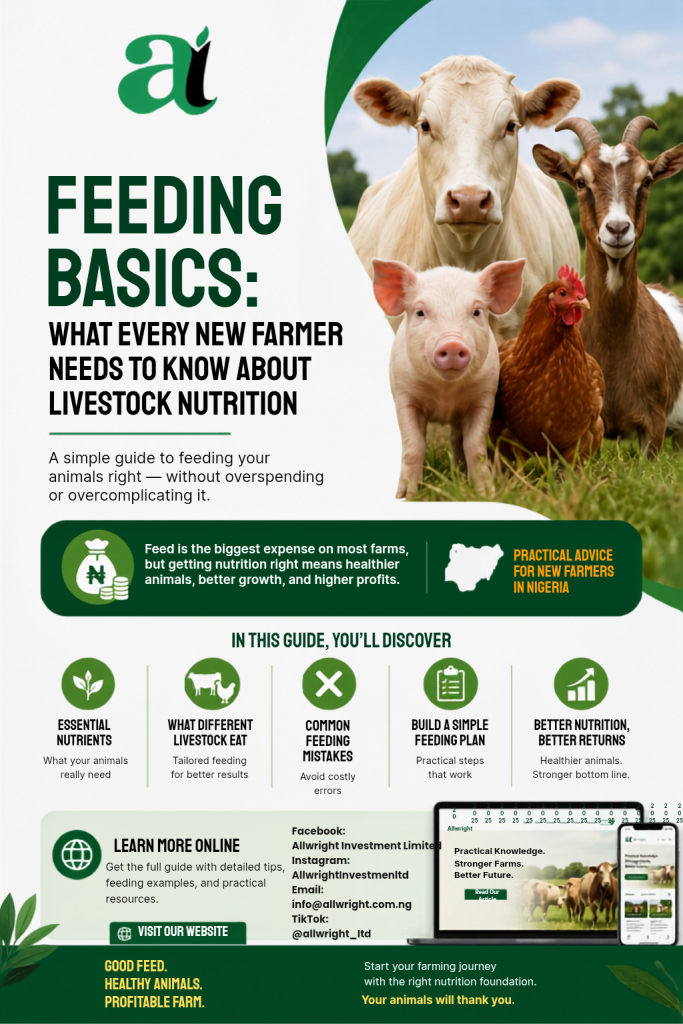
Feeding basics what every new farmer needs to know about livestock nutrition
Basic
Do you know that, With Booster Promaxx, you can achieve target weight with lesser feed, time, energy and still get more profit with quality and fatless fish

Feeding Basics: what every new farmer needs to know about Livestock Nutrition.

A beginner-friendly guide to feeding your animals right — without overspending or overcomplicating it.

Feed is the single biggest recurring expense on most livestock farms, often accounting for 60–70% of total production costs. Get it right, and your animals grow well, stay healthy, and turn a profit. Get it wrong, and you'll face stunted growth, poor weight gain, illness, or even death — all while spending money you can't get back.

For new farmers in Nigeria, understanding the basics of livestock nutrition isn't optional. It's the foundation everything else is built on. This guide breaks down what every beginner needs to know before they start feeding their first animals.

▪️ The Building Blocks of Animal Nutrition

Every animal — whether it's a goat, a chicken, or a cow, needs the same broad categories of nutrients, just in different proportions depending on species, age, and purpose.

Energy (Carbohydrates and Fats)
Energy is what fuels growth, movement, body warmth, and milk or egg production. Grains like maize, sorghum, and millet are common energy sources, along with cassava peels and other carbohydrate-rich feeds widely available across Nigeria.

Protein
Protein builds muscle, supports growth in young animals, and is essential for milk, egg, and meat production. Good protein sources include groundnut cake, soybean meal, cottonseed cake, and for poultry, fishmeal. Legume-based forages like Gliricidia and Leucaena leaves are also valuable, especially for ruminants.

Fiber
Fiber is critical for ruminants — cattle, goats, and sheep — because it keeps their digestive systems functioning properly. Pasture grass, hay, crop residues like maize stalks, and forage legumes all provide the fiber these animals need to digest food properly and stay healthy.

Vitamins and Minerals
Often overlooked by new farmers, vitamins and minerals are essential in small amounts. Calcium and phosphorus support bone development, salt supports basic body function, and trace minerals prevent deficiency diseases. Mineral licks, bone meal, and commercial mineral premixes are common ways to fill these gaps.

Water
Water isn't technically a "feed," but it's the most overlooked nutrient on most farms. Animals need constant access to clean water — without it, feed intake drops and so does growth and productivity. Dehydration can affect an animal's health faster than almost any feeding mistake.

▪️ What Different Livestock Actually Eat

Feeding isn't one-size-fits-all. Here's a quick breakdown by common livestock type :

Cattle and Goats (Ruminants)
These animals thrive on pasture, hay, and crop residues, supplemented with energy and protein feeds when needed — especially during dry season when grass is scarce. Goats are browsers and prefer leaves and shrubs over grass alone, so don't assume they'll eat exactly like cattle.

Poultry (Chickens)
Chickens need a more concentrated, balanced diet since they can't digest fiber well. Commercial poultry feed (starter, grower, and layer formulations) is formulated to match their life stage. If you're mixing your own feed, maize, soybean meal, fishmeal, and a vitamin-mineral premix are the typical base.

Pigs
Pigs are omnivores with high energy needs, especially during growth phases. Maize, cassava, and other energy sources combined with protein supplements like soybean meal or fishmeal form the foundation of a good pig diet. Pigs can also utilize kitchen waste and certain agricultural by-products, but balance is still key.

Sheep
Like goats, sheep are ruminants that do well on pasture and hay, with supplementation during lean seasons. They generally need less protein supplementation than goats but still benefit from mineral access year-round.

▪️ Common Feeding Mistakes New Farmers Make

Feeding the Same Thing Year-Round
Nutritional needs shift with the seasons, especially in regions with distinct dry and rainy seasons. Pasture quality drops significantly in the dry season, so farmers need a plan for supplementary feeding rather than assuming animals will "manage."
To help livestock make the most of available feed, farmers can also consider nutritional help supplements. One such product is Booster Promaxx by Allwright Investment Limited. This oral liquid preparation is specially formulated to maximize feed utilization, support healthy organ development, improve digestibility, and enhance nutrient absorption. It also contributes to improves meat and egg quality, helping farmers achieve better productivity and profitable.

Ignoring Age and Life Stage
A growing animal needs more protein than a mature one. A lactating or pregnant female needs more energy and calcium than one that isn't. Feeding everyone the same ration regardless of age or stage leads to poor growth in young stock and depletion in breeding females.

Skipping Minerals
Many beginner farmers focus entirely on energy and protein and forget minerals altogether. This can lead to weak bones, poor fertility, and slow growth — problems that are often misdiagnosed as disease when they're really nutritional gaps.

Sudden Feed Changes
Abruptly switching an animal's diet, especially for ruminants, can cause digestive upset. Any change in feed type or source should be introduced gradually over 7–10 days.

Overfeeding or Underfeeding
Both extremes cause problems. Overfeeding wastes money and can cause obesity or digestive issues, particularly in pigs and poultry. Underfeeding stunts growth and reduces productivity. Learning to estimate proper portions for your specific animals and life stages takes time, but it's worth getting right.

▪️ Building a Basic Feeding Plan

You don't need to be a nutrition expert to feed your animals well. Start with these steps:

  1. Know your animal's life stage— growing, mature, pregnant, lactating, or being fattened for market all have different needs.
  2. Use what's locally available— Nigeria's agricultural by-products (cassava peels, brewers' grains, groundnut cake, maize bran) are often cheaper and just as effective as commercial feed.
  3. Don't skip mineral seven a basic mineral lick or premix added to feed makes a measurable difference.
  4. Watch your animals body condition, coat quality, and growth rate tell you whether your feeding plan is working.
  5. Adjust with the seasons - plan ahead for dry-season feed gaps rather than scrambling when pasture runs out.

The Bottom Line

Good nutrition isn't about buying the most expensive feed — it's about understanding what your animals actually need and meeting that need consistently. That's where Allwright Investmen limited comes in, We provide quality livestock supplements and feed solutions designed to support healthier animals and improved farm productivity. Mean of the best feed ingredients for Nigerian farmers are available locally & internationally at affordable price. The key is not simply spending more on feed, but ensuring your animals receive the right nutrients at the right stage of life.

Get the basics right, and you'll see it in healthier animals, better growth rates, and a stronger bottom line.

Want to go deeper on managing your farm's finances? Read our guide on Understanding the True Cost of Raising Livestock for a full budget breakdown.

Understanding the True Cost of Raising a Livestock Budget and Guild

Understanding the True Cost of Raising Livestock: A Beginner's Budget Guide
A practical financial breakdown for first-time farmers
— because the numbers matter before the animals arrive.
Starting a livestock operation is one of the most rewarding decisions you can make as a new farmer. But it's also one of the most expensive — and many beginners find out the hard way that the sticker price of an animal is just the beginning. Before you bring home your first cow, pig, or flock of chickens, it pays to understand the full picture of what you're getting into financially.


This guide breaks down the real costs of raising livestock so you can plan, budget, and avoid the surprises that catch so many new farmers off guard.
The Startup Costs Most Beginners Underestimate
The first check you write probably won't be your largest. Here's what tends to catch new farmers off guard before the first animal even arrives:
Land and Fencing
If you don't already have fenced pasture, this is often the single biggest upfront expense. Fencing costs vary widely by type — barbed wire, woven wire, and electric fencing each carry different price tags — but even a modest 5-acre enclosure can run ₦4,200,000–₦11,200,000 or more depending on materials and terrain. Factor in gates, corner posts, and bracing, and the numbers add up fast.
Shelter and Housing


Animals need protection from the elements. A basic pole barn or three-sided shelter may be sufficient for cattle or horses, but pigs, goats, and poultry often need more enclosed housing. Don't forget about bedding, ventilation, and drainage when calculating these costs. Even a modest structure can cost ₦7,000,000–₦28,000,000 to build, though used materials and DIY construction can reduce this significantly.
Water Infrastructure
Reliable water access is non-negotiable. If your property lacks water lines to pastures, you'll need to budget for trenching, piping, frost-free hydrants, and watering tanks. A simple setup for a small herd can cost ₦700,000–₦4,200,000, and more complex systems run much higher.
Equipment
Think about what you'll need to move feed, handle animals, and maintain your property: a tractor or ATV, feeders, hay storage, trailers for transport, and basic veterinary equipment like syringes, halters, and scales. Even buying used, equipment costs can easily exceed ₦14,000,000 for a well-equipped small farm.
Ongoing Monthly and Annual Costs
Once the infrastructure is in place, the recurring costs begin. These are the expenses that determine whether your operation is financially sustainable.
Feed
Feed is typically the largest ongoing cost for most livestock operations. Hay, grain, mineral supplements, and salt blocks all add up. The exact figure depends heavily on your species, herd size, pasture quality, and the season. A single beef cow may consume ₦70,000–₦210,000 worth of hay per month in winter when pasture isn't available. Multiply that across a herd, and feed becomes your biggest line item.
Veterinary Care


Budget for both routine and unexpected vet bills. Routine care includes vaccinations, deworming, hoof trimming, and annual wellness checks. Emergency care — a difficult birth, a sick animal, an injury — can run into hundreds or thousands of dollars with little warning. A reasonable rule of thumb for small operations is to budget ₦140,000–₦420,000 per animal per year for health expenses, and keep an emergency fund on top of that.
Bedding
Straw, wood shavings, and other bedding materials are a continuous expense for any housed animal. Costs vary by region and season but should be factored into your monthly budget.
Utilities
Heat lamps for young animals, water heaters to prevent freezing, lighting in barns, and pumps for water systems all contribute to utility costs that many beginners don't anticipate.
Fencing Maintenance
Fences need regular inspection and repair. Budget time and materials for this every season.
The Hidden Costs New Farmers Often Miss
Beyond the obvious line items, there are several expenses that regularly blindside first-time livestock owners:
Your Time
This is perhaps the most undervalued cost of all. Livestock require daily care — feeding, watering, checking health, and managing facilities. This is time away from a job, family, or other income sources. If you ever hire help, labor costs can become significant quickly.
Mortality Losses
Animals die. This is an uncomfortable reality of farming, but it needs to be part of your financial planning. Whether from illness, predator attack, or birth complications, losing an animal represents both an emotional and financial setback. Some farmers purchase livestock insurance; others simply build expected losses into their budget projections.
Transportation
Getting animals to and from your farm — for purchase, sale, or veterinary care — requires either a trailer of your own or paying for transport. Factor in fuel, wear on equipment, and occasional hauling fees.
Permits, Licenses, and Zoning
Depending on your location, you may need agricultural permits, water rights approvals, or zoning variances. These costs are easy to overlook during the excitement of getting started but can delay your timeline and add unexpected expenses.
Processing Costs
If you're raising livestock for meat, processing fees at a licensed facility are a real cost. Butchering, packaging, and storage fees vary by region but can run ₦420,000–₦980,000 or more per animal depending on the species and cut choices.
A Simple Way to Think About Your Budget
Before you purchase your first animal, work through these three budget categories:
Startup budget — everything needed before animals arrive (land improvements, fencing, shelter, water, equipment)
Operating budget — monthly and annual recurring costs to keep animals healthy and fed
Emergency reserve — a dedicated fund for unexpected vet bills, equipment failures, or animal losses (aim for at least 3 months of operating costs)
If the numbers work across all three categories, you're in a strong position to start. If they don't, it doesn't mean you shouldn't proceed — it means you should scale down, phase in animals gradually, or continue building savings before committing.
The Bottom Line
Raising livestock is deeply rewarding — but it's a business, even if it's a small one. The farmers who succeed long-term are the ones who respect the numbers from the beginning. Start with a realistic budget, expect surprises, build a financial cushion, and scale slowly. The goal isn't just to get animals on your land — it's to keep them there sustainably, year after year.

Natural vs. Synthetic Supplements: Which Is Better for Animals?

Natural vs. Synthetic Supplements: Which Is Better for Your Animals?

As a livestock producer, you’ve likely stood in the feed room staring at two supplement options—one labeled "natural" at a premium price, the other synthetic and budget-friendly. The question is: Does natural actually mean better?

The short answer is nuanced: For some nutrients, natural forms are significantly more bioavailable. For others, synthetic versions work perfectly well—or even better. The key is understanding which is which.


Vitamin E: A Clear Case for Natural

When it comes to vitamin E, the science is definitive: cows strongly favor the natural form.

Here's why: Synthetic vitamin E (chemically named all-rac-α-tocopherol acetate) is actually a mixture of eight different molecular forms—but only one of them (RRR-α-tocopherol) is the natural form the animal's body recognizes .

Think of it like a hand fitting into a glove. The natural form is the "right hand" that fits perfectly. The synthetic version contains seven "wrong hands" that the body struggles to use .

The Numbers Tell the Story

Research from Aarhus University demonstrated this dramatically: When cows received an injection of synthetic vitamin E:

· 16.3% of the natural form was secreted into milk
· 6.5% of the synthetic "dextrorotatory" forms made it through
· Only 0.7% of the synthetic "laevorotatory" forms appeared in milk

Bottom line: Natural vitamin E is over 2.5 times more effective at enriching milk than the best-performing synthetic forms.

For dairy farmers aiming to produce high-vitamin milk, this matters immensely. Feeding fresh grass or grass silage (rich in natural vitamin E) delivers far more vitamin to the milk than adding synthetic vitamin E to the ration .


Trace Minerals: Organic (Chelated) vs. Inorganic

For minerals like zinc, copper, and manganese, the comparison isn't "natural vs. synthetic" but rather organic (chelated) vs. inorganic forms.

The Absorption Problem with Inorganic Minerals

Traditional inorganic minerals (oxides, sulfates) have a major drawback: they dissolve too quickly in the rumen. This can:

· Harm beneficial rumen microbes
· Reduce fiber digestion
· Pass through the animal largely unabsorbed

In fact, bioavailability of inorganic trace minerals is so low that producers often supplement at 2-3 times recommended levels just to ensure adequate intake .

The Chelated Advantage

Advanced chelated minerals (where minerals are bound to organic acids or amino acids) work differently. They remain stable at rumen pH (around 5-6) but become highly soluble at the acidic pH of the abomasum (around 2)—releasing minerals exactly where absorption occurs .

Research in sheep showed that 100% chelated mineral supplementation:

· Improved digestibility of dry matter, organic matter, and fiber
· Enhanced mineral absorption compared to inorganic sources
· Maintained rumen health while delivering more nutrients to the animal

Real-World Results in Swine

A study on chelated minerals in sows found dramatic improvements:

· 9-17% reduction in gilt and sow mortality
· 20-35% lower culling rates
· 5-10% higher retention rates through third parity

However, the researchers note an important caveat: not all organic minerals perform equally well—quality and manufacturing matter tremendously .


Plant-Based Alternatives: Promising but Variable

Phytogenic feed additives (PFAs)—plant-derived compounds from herbs, spices, and essential oils—are gaining traction as natural alternatives to synthetic antioxidant vitamins .

What the Research Shows

A systematic review of 44 poultry studies found that PFAs can positively affect:

· Oxidative stability of meat during storage
· Fatty acid profiles
· Organoleptic characteristics (taste, smell, appearance)

For mammalian livestock (pigs, rabbits, ruminants), PFAs appear as efficient as synthetic vitamin E at counteracting oxidative stress .

The Catch: Consistency and Delivery

Early plant-based products had significant problems:

· Volatile compounds degraded during feed processing
· Efficacy varied dramatically between batches
· Strong odors sometimes reduced feed intake

Modern solutions use micro-encapsulation technology, which protects active compounds during processing and releases them precisely where needed in the digestive tract. A 2024 trial with encapsulated phytogenics in broilers showed:

· +57 grams body weight gain per bird
· 2.1 point improvement in feed conversion ratio
· 3:1 return on investment for producers


Vitamin B12: When Synthetic Wins

Not every natural form is superior. Vitamin B12 provides a striking counterexample.

Natural vitamin B12 from food sources has an absorption rate of only about 50% . Synthetic vitamin B12, however, can achieve nearly 100% absorption .

This is particularly relevant for older animals or those with digestive issues that impair natural B12 absorption from feed sources.


Key Takeaways for Livestock Producers

Nutrient Better Choice Why
Vitamin E Natural 2.5x higher transfer to milk; cows discriminate strongly against synthetic forms
Trace Minerals (Zn, Cu, Mn) Organic/Chelated Higher rumen stability, better absorption, improved digestibility
Vitamin B12 Synthetic Nearly 100% absorption vs. ~50% for natural forms
Antioxidants (general) Plant-based alternatives Comparable efficacy to synthetic vitamin E, with added benefits


Practical Recommendations for Your Operation

  1. Don't Assume "Natural" Automatically Means Better

The term "natural" isn't strictly regulated in animal supplements. Some "natural" products contain minimal active ingredients. Look for research-backed products with transparent labeling .

  1. Focus on Bioavailability, Not Price Per Pound

A cheap inorganic mineral you over-feed because of poor absorption is more expensive than a premium chelated mineral you feed at lower rates.

  1. Consider Hybrid Approaches

Many successful operations use a combination:

· Chelated minerals for high-value breeding stock
· Plant-based antioxidants as partial replacements for synthetic vitamin E
· Synthetic B12 for maximum absorption efficiency

  1. Match Form to Your Goals

· Milk with high vitamin E? Prioritize natural vitamin E sources (fresh grass, grass silage)
· Maximum mineral absorption? Choose chelated/ organic trace minerals
· Cost-effective antioxidant support? Quality phytogenics can deliver comparable results to synthetic vitamins

  1. Work with a Nutritionist Who Understands Forms

Not all products are created equal. A nutritionist can help you navigate the differences between:

· Various chelation technologies
· Different plant extract sources and standardization methods
· Bioavailability data for specific products


The Bottom Line

Natural isn't universally better, and synthetic isn't universally worse. The "best" choice depends entirely on the specific nutrient, your production goals, and the quality of the specific product.

For vitamin E and many trace minerals, natural or chelated forms offer clear, scientifically-proven advantages in absorption and efficacy. For vitamin B12, synthetic is actually superior. For plant-based antioxidants, modern micro-encapsulated products can match or exceed synthetic vitamin performance—but quality varies widely.

Your job isn't to choose "natural" or "synthetic" as a blanket policy. It's to select the right tool for each nutritional job.


Ready to optimize your supplement program? Our nutrition experts can help you evaluate which forms make sense for your operation's specific goals and budget.

Contact us via Instagram for Consultation

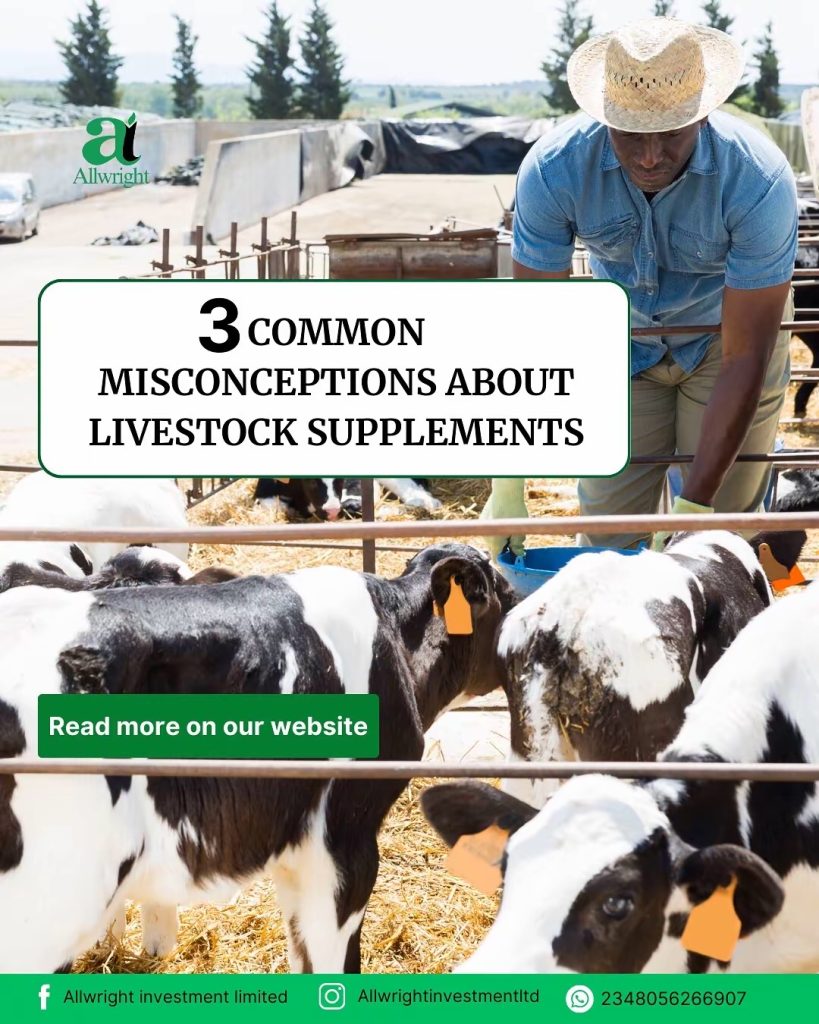
3 Common Misconceptions About Livestock Supplements

3 Common Misconceptions About Livestock Supplements (And The Science-Backed Truth)

In the world of animal nutrition, misinformation can be costly. Believing common myths about supplements can lead to poor herd health, wasted money, and missed opportunities for maximizing productivity.

As a company dedicated to pharmaceutical-grade animal health, we believe in clarity and science. Let’s debunk three of the most pervasive misconceptions about livestock supplements.

Misconception #1: "If One is Good, Two is Better" (The Over-Supplementation Myth)

The Myth: It’s a common thought that if the recommended dose of a vitamin or mineral provides a benefit, doubling it will double the results.

The Science-Backed Truth: More is not always better; in fact, it can be dangerous. Livestock have very specific nutritional requirements. Exceeding them can lead to toxicity, severe health issues, and even death.

· Real-World Example: Selenium. This trace mineral is crucial for immune function and reproduction. However, just a few milligrams over the requirement can be toxic, causing blind staggers or even mortality.
· Real-World Example: Copper. While essential for cattle, sheep are extremely sensitive to copper. Feeding a cattle supplement to sheep can cause fatal copper toxicity.
· The Bottom Line: Precision is key. Pharmaceutical-grade supplements are formulated based on extensive research to provide the optimal, safe level of nutrients. Always follow label directions and consult with a nutritionist.

Misconception #2: "All Supplements Are Created Equal"

The Myth: A mineral is a mineral. There’s no difference between a generic store brand and a premium, pharmaceutical-grade product.

The Science-Backed Truth: This is perhaps the most costly misconception. The bioavailability of a nutrient—how easily an animal's body can absorb and use it—varies dramatically based on its form.

· The Oxide vs. Chelate Example: Cheap supplements often use inorganic mineral oxides (e.g., copper oxide, zinc oxide). These are poorly absorbed by the animal, meaning most of it passes through undigested. Premium supplements use organic, chelated minerals (e.g., copper proteinate, zinc methionine). The mineral is bound to an amino acid, allowing it to be absorbed 2-3 times more efficiently in the gut.
· The Stability Factor: Quality supplements protect ingredients from degradation by light, heat, and moisture. A cheap vitamin A supplement may lose most of its potency within weeks if poorly manufactured and stored.
· The Bottom Line: You get what you pay for. Paying for a highly bioavailable product means your animals actually get the nutrients you’re paying for, leading to a better return on investment.

Misconception #3: "My Animals Will Eat What They Need" (The "Smart Animal" Myth)

The Myth: If I provide a free-choice mineral or supplement, my livestock have a natural instinct to consume the exact amount their body requires.

The Science-Backed Truth: While animals have some nutritional wisdom, it is far from perfect. Their cravings are often driven by sodium intake first and foremost. An animal might overconsume a palatable mineral mix because it’s seeking salt, inadvertently throwing other minerals out of balance.

· Palatability Over Need: An animal will not seek out a nutrient it doesn't know it's deficient in. If a supplement is unpalatable, they will avoid it entirely, regardless of their physiological need.
· The Role of Balanced Formulations: This is why proper formulation is critical. A well-designed free-choice mineral uses salt as a carrier to regulate intake and balances all components to ensure that as the animal seeks salt, it consumes an appropriate ratio of other minerals.
· The Bottom Line: You cannot rely on instinct alone. Providing a properly formulated, palatable product and managing intake is the farmer’s responsibility to ensure nutritional needs are met.

The Takeaway: Invest in Knowledge

The foundation of effective supplementation isn’t just the product in the bag; it’s the knowledge behind it. Understanding the science of bioavailability, the dangers of imbalance, and the realities of animal behavior is what separates a cost from a smart investment.

At Allwright Investment ltd, we don’t just sell supplements; we provide precision nutrition solutions. Our pharmaceutical-grade products are formulated for superior absorption and backed by expert advice.

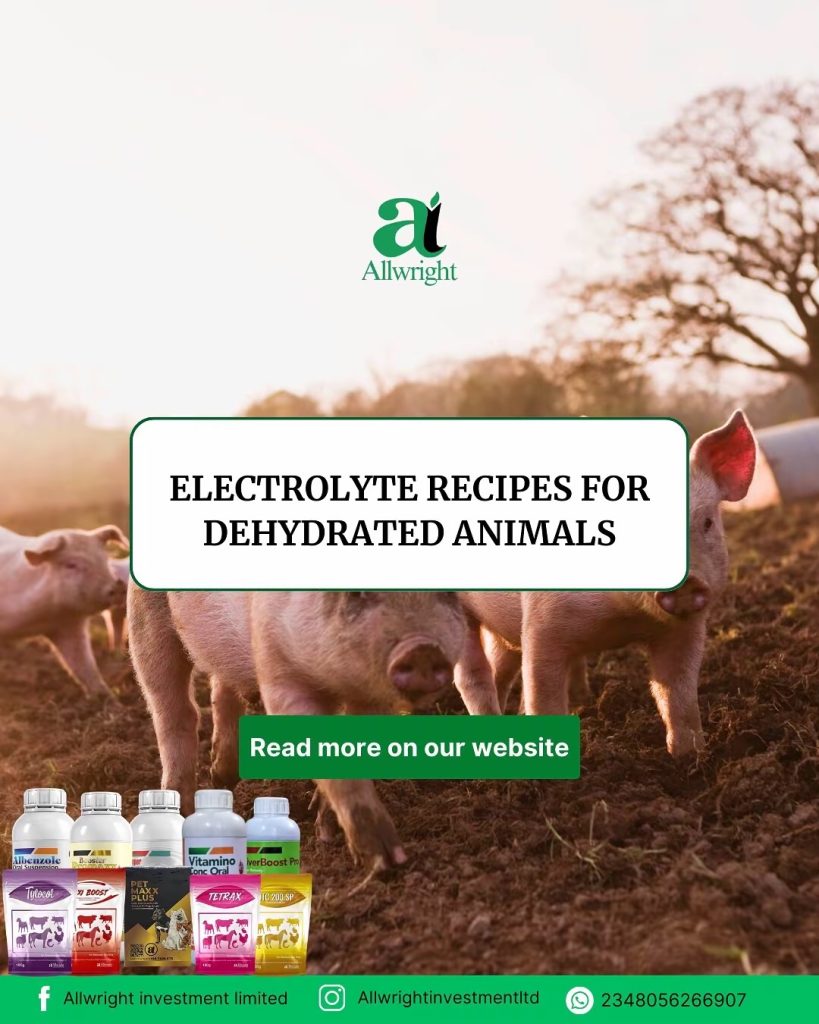
Electrolyte Recipes for Dehydrated Animals

Homemade Electrolyte Recipes for Dehydrated Livestock: A Quick Guide

Electrolyte loss in livestock—from scours, heat stress, or transport—can quickly become life-threatening. While commercial products are optimal, having a reliable homemade recipe is essential for on-farm emergencies. This guide provides safe, effective, and veterinarian-approved formulas.


⚠️ A Critical Warning Before You Start

While these recipes are lifesavers, they are for short-term, emergency use only. They lack the precise balance of essential minerals like potassium and magnesium found in pharmaceutical-grade products. Do not use for more than 24-48 hours without consulting your vet, as imbalances can occur.


Core Principles: The Electrolyte "Must-Haves"

An effective oral rehydration solution must contain:

· Water + Energy (Sugar): For fluid absorption.
· Sodium & Chloride (Salt): The primary electrolytes lost in diarrhea.
· Potassium & Bicarbonate (or Citrate): To correct metabolic acidosis and replace potassium.

Universal Emergency Recipe (For Calves, Lambs, Kids, Pigs)

This is the safest and most effective basic formula, recommended by veterinary schools.

· 1 liter (1 quart) of warm, clean water
· 20 grams (1 tablespoon) of white sugar
· 3.5 grams (1 level teaspoon) of table salt (sodium chloride)
· 2.5 grams (1/2 teaspoon) of baking soda (sodium bicarbonate)

How to Use:

  1. Mix thoroughly until all powders are completely dissolved.
  2. Offer 2-4 liters per day to a dehydrated calf, divided into 4-8 feedings. Administer via nipple bottle or esophageal feeder.
  3. Crucial: Continue feeding the animal's normal milk or colostrum separately. Space milk and electrolyte feedings at least 2 hours apart to avoid disrupting milk digestion in the abomasum.

Advanced Recipe for Severe Scours (Acidosis Correction)

If an animal has watery, foul-smelling diarrhea and appears weak or depressed, it likely has metabolic acidosis. This formula helps correct it.

· 2 liters of warm, clean water
· 1/2 teaspoon (2.5g) of table salt (sodium chloride)
· 2 teaspoons (10g) of baking soda (sodium bicarbonate)
· 1/2 teaspoon (2g) of potassium chloride salt substitute (like "No-Salt")
· 2 tablespoons (30g) of white sugar

This recipe has less sodium and more alkalizing agents to counteract severe acidosis. Use only under guidance or if commercial products are unavailable.


Simple Pasture Recipe for Heat Stress (Cattle, Sheep, Goats)

For animals showing mild dehydration from heat (sunken eyes, skin tenting), this can be added to drinking water.

· 20 liters (5 gallons) of water
· 4-6 tablespoons of loose salt
· 2-4 tablespoons of baking soda
· 1-2 tablespoons of magnesium oxide (if available)
· Optional: 1 cup of molasses for palatability and quick energy.

Offer this in a separate trough from fresh water for 4-6 hours on hot days.


What NOT to Use: Common Household Dangers

❌ Sports Drinks (Gatorade, Powerade): They are too low in sodium, too high in sugar, and can contain artificial colors/flavors harmful to livestock.
❌ Human Pediatric Electrolytes (Pedialyte): Formulated for human infants, not livestock; potassium levels can be dangerous for animals in kidney stress.
❌ Plain Water Alone: This can dilute remaining electrolytes in the bloodstream, worsening the condition ("water intoxication").


When to Use Homemade vs. Pharmaceutical-Grade

Scenario Recommendation
Mild dehydration, first 12 hours Homemade recipe is acceptable.
Persistent or severe scours (>24 hrs) Switch immediately to a commercial electrolyte. They contain balanced potassium, glycine for absorption, and energy sources that don't interfere with milk clotting.
Heat stress in a herd Homemade pasture recipe is a good stop-gap. For valuable or severely affected animals, use a precision product.
Preventive use during weaning/transport Always use a commercial product. The risk of creating mineral imbalances over several days is too high.

The Bottom Line: Homemade electrolytes are a vital tool in your emergency kit, but they are a bridge to professional care and quality products. For the best recovery, correct diagnosis, and long-term health, always follow up with veterinary advice and high-quality, research-backed supplements.

For a reliable, fast-acting solution, explore Allwright Investment ltd formulated products for optimal absorption and balanced mineral recovery.

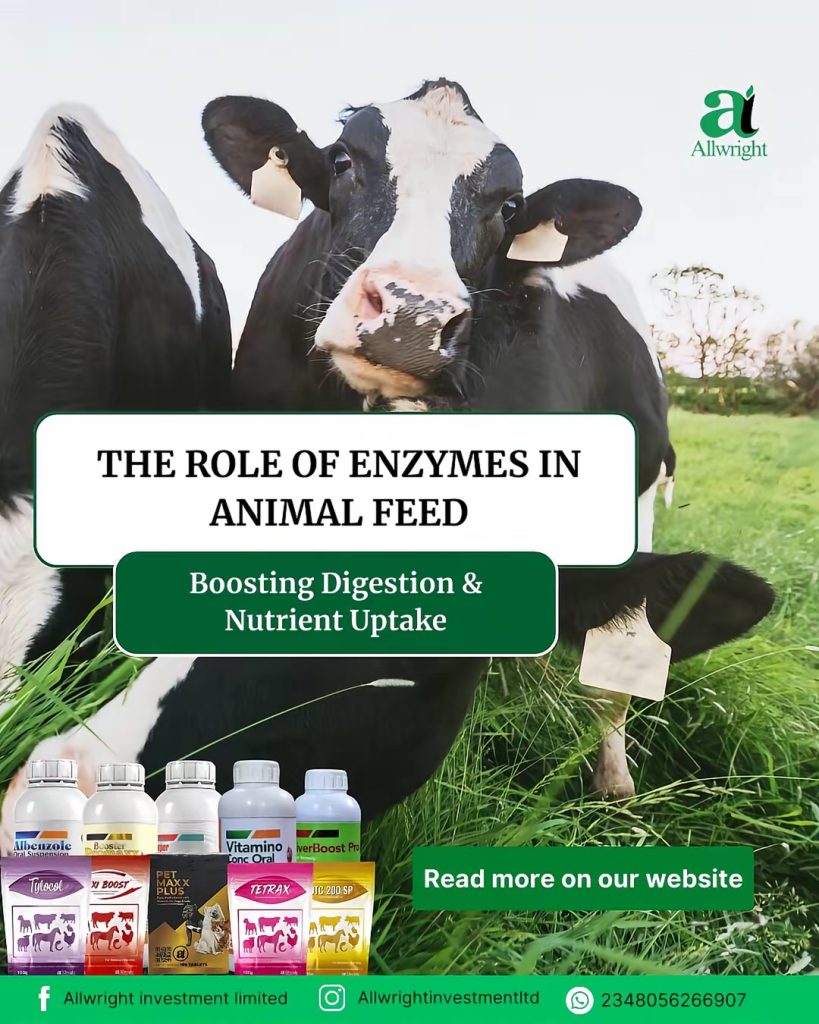
The Role of Enzymes in Animal Feed: Boosting Digestion & Nutrient Uptake

The Role of Enzymes in Animal Feed: Boosting Digestion & Nutrient Uptake

Imagine paying for 100 pounds of feed but your livestock only absorbing the nutrients from 70 pounds of it. The "missing" 30 pounds isn't just wasted money; it's undigested material that can cause health issues.

Enzymes in animal feed act as precision tools that unlock this hidden value, directly enhancing digestion, health, and your bottom line.


The "Lock and Key" Problem in Animal Digestion

Many common feed ingredients contain complex structures that animals, especially monogastrics like poultry and swine, cannot fully break down on their own.

· Phytate in Grains: This compound tightly binds up to 70% of the phosphorus in plant-based feed, making it unavailable. It also "locks up" other vital minerals like calcium, zinc, and manganese.
· Non-Starch Polysaccharides (NSPs): Found in ingredients like wheat, barley, and rye, these viscous fibers create a gel-like environment in the gut. This slows digestion, traps nutrients, and promotes the growth of harmful bacteria.
· Protein & Fiber Complexity: Animals lack the specific enzymes needed to break down certain protein structures (like those in soybeans) or tough fibrous materials (like cellulose in forages).

Without the right "keys" (enzymes), these nutritional "locks" remain closed, leading to wasted feed, poorer performance, and increased nutrient excretion into the environment.


Meet the Key Players: Essential Feed Enzymes

Enzyme Primary Target Key Benefit Best For
Phytase Phytate (the "phosphorus lock") Unlocks phosphorus & other minerals. Reduces need for inorganic phosphorus supplements. All species, especially poultry & swine. A staple in modern rations.
Xylanase & β-Glucanase NSPs (viscous fibers in wheat/barley) Reduces gut viscosity. Improves nutrient absorption, firms droppings. Poultry & swine fed wheat, barley, or rye-based diets.
Protease Complex proteins & anti-nutritional factors Enhances protein digestion. Breaks down hard-to-digest proteins, improving amino acid availability. All species, especially in diets with high plant-protein content.
Amylase Starch Boosts energy release. Aids young animals or high-starch diets for maximum energy extraction. Young livestock (pre-ruminant calves, piglets), poultry.
Cellulase & Hemicellulase Fiber (cellulose, hemicellulose) Improves fiber digestibility. Helps extract more energy from forages and by-products. Ruminants & poultry, in high-fiber diets.


The Proven Benefits: More Than Just Digestion

Supplementing with targeted enzymes delivers a powerful return on investment across four key areas:

  1. Enhanced Feed Efficiency & Growth

Enzymes directly improve the nutritional value of your existing feed.

· Poultry Trials: Xylanase in wheat-based diets has shown +5-7% improvement in metabolizable energy, directly translating to better weight gain.
· Swine Data: Phytase improves phosphorus availability by up to 50%, supporting better bone development and growth rates.

  1. Reduced Feed Costs & Environmental Impact

By unlocking nutrients already in the feed, you can safely reduce the inclusion of expensive supplemental ingredients.

· Cost Saving: Phytase allows for a significant reduction in costly inorganic phosphate supplements.
· Sustainability: Enzymes reduce nitrogen and phosphorus excretion in manure by 30-50%, minimizing environmental footprint.

  1. Improved Gut Health & Animal Welfare

A healthier gut is the foundation for a healthier animal.

· Precision Breakdown: By pre-digesting problematic compounds, enzymes reduce gut irritation and inflammation.
· Balanced Microbiome: Reducing undigested substrate starves harmful bacteria (like Clostridium and E. coli), promoting a more beneficial gut flora. This is a critical tool in antibiotic-free production systems.

  1. Greater Diet Flexibility

Enzymes allow you to use a wider variety of feed ingredients (including more cost-effective by-products) without sacrificing performance, making your ration formulation more resilient to market price swings.


Implementing Enzymes: A Practical Guide

Choosing the Right Product

  1. Match to Your Base Feed: Identify the primary "anti-nutrient" in your ration.
    · Corn/Soy Diet? Prioritize Phytase + Protease.
    · Wheat/Barley Diet? Prioritize Xylanase/β-Glucanase + Phytase.
  2. Look for Thermostability: Ensure the enzymes are coated or engineered to survive the high heat of feed pelleting (80-90°C/176-194°F).
  3. Source Matters: Opt for products from reputable manufacturers that provide guaranteed activity units (e.g., FTU for phytase, EXU for xylanase) and stability data.

Common Pitfalls to Avoid

· ❌ Incorrect Application: Don't use a wheat-targeted enzyme (xylanase) in a corn-based diet expecting the same benefit.
· ❌ Poor Mixing: Enzymes are added in very small amounts (grams per ton). Use a pre-mix carrier for even distribution in your feed mill or TMR.
· ❌ Ignoring Storage: Store enzymes in a cool, dry place. Heat and humidity rapidly degrade their activity.


The Bottom Line: Enzymes are a Strategic Investment

Feed enzymes are not an expense; they are a technology that upgrades your existing feed. The return comes from:

· Lower effective feed cost per unit of gain.
· Healthier animals with more robust immunity.
· More sustainable and efficient production.

For livestock producers, the question is no longer "Should I use enzymes?" but "Which enzymes will give my operation the best return?"

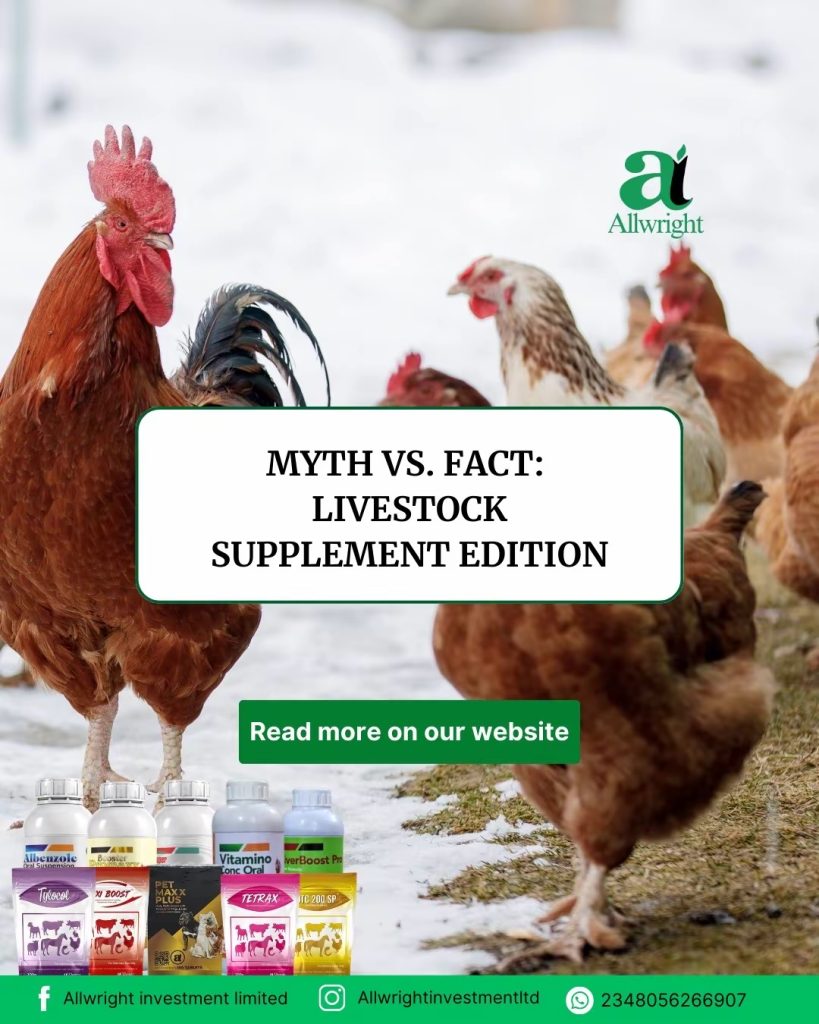
Myth vs. Fact: Livestock Supplement Edition

Myth vs. Fact: Livestock Supplement Edition

Separating fact from fiction is crucial when making decisions about your livestock's nutrition. Believing common myths can lead to wasted money, poor herd health, and missed performance targets. Let's debunk the top five misconceptions with science-backed facts.


Myth #1: "If a little is good, a lot must be better."

· The Myth: This "more is better" thinking suggests that doubling a supplement dose will double the benefits.
· The Fact: More is not better; it's often toxic. Livestock have precise nutritional requirements. Oversupplementation can cause serious health issues, metabolic imbalances, and even death.
· The Science: Minerals like selenium and copper have a very narrow safe range. For example, the requirement for selenium is about 0.1-0.3 mg/kg of diet, but toxicity can occur at levels as low as 2 mg/kg. Oversupplementing fat-soluble vitamins (A, D, E, K) can lead to dangerous buildups in the liver.

Myth #2: "All supplements are basically the same."

· The Myth: A mineral is a mineral, so the cheapest bag on the shelf is just as good as a premium, pharmaceutical-grade product.
· The Fact: Bioavailability is everything. The form of the nutrient dictates how much an animal can actually absorb and use.
· The Science: Compare zinc oxide (a common, cheap form) to zinc methionine (a premium, chelated form). Zinc methionine can be 2-3 times more bioavailable, meaning the animal absorbs far more of it. You may pay less per pound for the oxide, but you're paying for nutrients that mostly pass through the animal undigested.

Myth #3: "My animals will eat what they need if I offer it free-choice."

· The Myth: Livestock have a perfect natural instinct to self-regulate their mineral and vitamin intake from a free-choice feeder.
· The Fact: Intake is driven primarily by palatability and salt content, not by a conscious knowledge of deficiencies. Animals often over- or under-consume based on taste.
· The Science: If a mineral mix is highly palatable (often due to high salt or molasses), they may overeat it while seeking salt, wasting product and risking imbalances. If it's unpalatable, they'll avoid it entirely, regardless of their physiological need. Proper intake management is the farmer's responsibility.

Myth #4: "I only need to supplement when I see a problem."

· The Myth: Supplements are a treatment to be used reactively when animals show signs of deficiency or illness.
· The Fact: Supplements are most effective as a preventive tool. By the time clinical signs (like poor coat, weak newborns, or reduced milk yield) appear, productivity and health have already been compromised for weeks or months.
· The Science: Building up liver stores of key vitamins and minerals takes time. Strategic supplementation, especially during critical periods like the transition phase for dairy cows, prepares the animal for challenges and prevents problems before they start, ensuring optimal performance.

Myth #5: "Natural' or 'herbal' supplements are always safe and effective."

· The Myth: Anything labeled "natural" is inherently safer and gentler than a scientifically formulated supplement.
· The Fact: "Natural" does not equal "safe" or "effective." Plant compounds can be toxic in incorrect doses, interact with medications, and lack consistent potency. Their effects are often not backed by the same rigorous research as pharmaceutical-grade ingredients.
· The Science: Some herbs can cause liver damage or interfere with blood clotting. Unlike pharmaceutical products, herbal supplements are not required to prove purity, potency, or efficacy before sale, leading to significant variability between batches and brands.


The Takeaway: Trust the Science, Not the Folklore

The foundation of effective herd nutrition is precision, not guesswork. Investing in high-quality, research-backed supplements and implementing them through a strategic, preventive plan designed with a nutritionist is the surest path to better herd health, improved productivity, and a stronger bottom line.

What is “Rumen-Protected” and Why is it a Game-Changer for Dairy Farmers?

Rumen-protected" technology is a precision nutrition strategy that delivers specific nutrients (like proteins and amino acids) past the acidic rumen environment so they can be absorbed and utilized directly by the animal, leading to significant gains in milk production and farm efficiency.

⚙️ The Core Technology: Protection & Delivery

The goal is to make a nutrient stable in the rumen but releasable in the acidic abomasum (true stomach) and small intestine where absorption occurs. There are two main types of protected nutrients, each with different protection technologies:

Rumen-Protected Amino Acids (RPAAs)
These are individual amino acids (the building blocks of protein) that have been specially treated. The most common technologies are:

· pH-sensitive coatings: A polymer coating that remains intact at the rumen's neutral pH but dissolves in the acidic abomasum, releasing the amino acid.
· Chemical bonding: The amino acid is bound to another compound (like a calcium salt) that is stable in the rumen but breaks down post-rumen.
· Embedded matrices: Amino acids are evenly distributed within a rumen-stable fat matrix (e.g., palm or rapeseed oil) that protects them during passage.
· Microencapsulation: Amino acids are coated with protective shells, sometimes enhanced with substances like tannins to improve stability.

Bypass (or Rumen-Undegradable) Protein
This refers to whole protein meals (like soybean or rapeseed meal) that have been physically or chemically treated to make them less soluble and resistant to rumen microbes. Common methods include:

· Heat treatment: Applying controlled heat creates bonds that reduce solubility (a process similar to the Maillard reaction that browns toast).
· Chemical treatment: Using agents like formaldehyde (at safe, regulated levels) to bind proteins and reduce rumen degradability.

To compare their typical characteristics:

· Typical Form: RPAAs are synthetic supplements (prills, powders), while Bypass Proteins are treated plant/animal meals.
· Protection Method: RPAAs use pH-sensitive coatings or chemical bonds, whereas Bypass Proteins rely on heat or chemical treatment.
· Primary Use: RPAAs are for precision amino acid balancing, and Bypass Proteins are for increasing total metabolizable protein.
· Impact on Milk Components: Both directly support milk protein synthesis.

🥛 Direct Impact on Milk Components and Production

Supplementing with rumen-protected nutrients directly targets the limiting factors for milk synthesis. Research shows the following consistent benefits:

  1. Increased Milk Protein Yield and Content
    This is the most documented benefit. By ensuring the small intestine receives more of the specific amino acids (like methionine and lysine) needed for protein synthesis, cows can produce more milk protein. A meta-analysis indicated milk protein content can rise by 0.1–0.3%. A 2024 study found that supplementing low-protein diets with specific RPAAs restored milk protein yield to the level of a high-protein diet.
  2. Improved Milk Fat
    Supplementation often supports increased milk fat yield and content. Studies report boosts in fat content of 0.15–0.4%. This is linked to improved metabolic function and nutrient partitioning.
  3. Enhanced Feed and Nitrogen Efficiency (The "Game-Changer")
    This is where the technology transforms farm economics and sustainability.

· You can reduce overall dietary crude protein. Diets with lower protein levels (e.g., 12-14% CP) supplemented with RPAAs can match the performance of high-protein diets (16-18% CP).
· Nitrogen utilization becomes far more efficient. Less protein is wasted as rumen ammonia and excreted in urine. One study found nitrogen efficiency in milk improved from 33.3% to 39.0% with RPAA supplementation. This means less nitrogen pollution and lower feed costs.

📈 Strategic Application for Maximum ROI

To get the best return on investment, application should be strategic:

· Critical Period: The transition period, from 21 days pre-calving to about 120 days post-calving, is when cows are under peak metabolic stress and nutrient demand. Responses in milk yield, components, and health are greatest during this window.
· Foundation First: Before investing in expensive protected nutrients, ensure the ration maximizes microbial protein synthesis—the cow's own, highly efficient protein source. This involves balancing rumen-degradable protein with fermentable carbohydrates.
· Precision Formulation: Work with a nutritionist to test forages and balance diets for specific amino acids (like the methionine-to-lysine ratio), not just crude protein.

💎 Key Takeaways for Dairy Farmers

· Precision Over Quantity: Rumen protection is about delivering the right nutrients to the right place, not just feeding more.
· Beyond Milk Yield: Benefits extend to improved cow health, fertility, and a significant reduction in environmental nitrogen excretion.
· Economic Sense: While the products have a cost, the return comes from higher-value milk, lower feed costs from reduced protein diets, and better herd health.

Homemade Electrolyte Recipes for Dehydrated Livestock: A Quick Guide

Electrolyte loss in livestock—from scours, heat stress, or transport—can quickly become life-threatening. While commercial products are optimal, having a reliable homemade recipe is essential for on-farm emergencies. This guide provides safe, effective, and veterinarian-approved formulas.


⚠️ A Critical Warning Before You Start

While these recipes are lifesavers, they are for short-term, emergency use only. They lack the precise balance of essential minerals like potassium and magnesium found in pharmaceutical-grade products. Do not use for more than 24-48 hours without consulting your vet, as imbalances can occur.


Core Principles: The Electrolyte "Must-Haves"

An effective oral rehydration solution must contain:

· Water + Energy (Sugar): For fluid absorption.
· Sodium & Chloride (Salt): The primary electrolytes lost in diarrhea.
· Potassium & Bicarbonate (or Citrate): To correct metabolic acidosis and replace potassium.

Universal Emergency Recipe (For Calves, Lambs, Kids, Pigs)

This is the safest and most effective basic formula, recommended by veterinary schools.

· 1 liter (1 quart) of warm, clean water
· 20 grams (1 tablespoon) of white sugar
· 3.5 grams (1 level teaspoon) of table salt (sodium chloride)
· 2.5 grams (1/2 teaspoon) of baking soda (sodium bicarbonate)

How to Use:

  1. Mix thoroughly until all powders are completely dissolved.
  2. Offer 2-4 liters per day to a dehydrated calf, divided into 4-8 feedings. Administer via nipple bottle or esophageal feeder.
  3. Crucial: Continue feeding the animal's normal milk or colostrum separately. Space milk and electrolyte feedings at least 2 hours apart to avoid disrupting milk digestion in the abomasum.

Advanced Recipe for Severe Scours (Acidosis Correction)

If an animal has watery, foul-smelling diarrhea and appears weak or depressed, it likely has metabolic acidosis. This formula helps correct it.

· 2 liters of warm, clean water
· 1/2 teaspoon (2.5g) of table salt (sodium chloride)
· 2 teaspoons (10g) of baking soda (sodium bicarbonate)
· 1/2 teaspoon (2g) of potassium chloride salt substitute (like "No-Salt")
· 2 tablespoons (30g) of white sugar

This recipe has less sodium and more alkalizing agents to counteract severe acidosis. Use only under guidance or if commercial products are unavailable.


Simple Pasture Recipe for Heat Stress (Cattle, Sheep, Goats)

For animals showing mild dehydration from heat (sunken eyes, skin tenting), this can be added to drinking water.

· 20 liters (5 gallons) of water
· 4-6 tablespoons of loose salt
· 2-4 tablespoons of baking soda
· 1-2 tablespoons of magnesium oxide (if available)
· Optional: 1 cup of molasses for palatability and quick energy.

Offer this in a separate trough from fresh water for 4-6 hours on hot days.


What NOT to Use: Common Household Dangers

❌ Sports Drinks (Gatorade, Powerade): They are too low in sodium, too high in sugar, and can contain artificial colors/flavors harmful to livestock.
❌ Human Pediatric Electrolytes (Pedialyte): Formulated for human infants, not livestock; potassium levels can be dangerous for animals in kidney stress.
❌ Plain Water Alone: This can dilute remaining electrolytes in the bloodstream, worsening the condition ("water intoxication").


When to Use Homemade vs. Pharmaceutical-Grade

Scenario Recommendation
Mild dehydration, first 12 hours Homemade recipe is acceptable.
Persistent or severe scours (>24 hrs) Switch immediately to a commercial electrolyte. They contain balanced potassium, glycine for absorption, and energy sources that don't interfere with milk clotting.
Heat stress in a herd Homemade pasture recipe is a good stop-gap. For valuable or severely affected animals, use a precision product.
Preventive use during weaning/transport Always use a commercial product. The risk of creating mineral imbalances over several days is too high.

The Bottom Line: Homemade electrolytes are a vital tool in your emergency kit, but they are a bridge to professional care and quality products. For the best recovery, correct diagnosis, and long-term health, always follow up with veterinary advice and high-quality, research-backed supplements.

For a reliable, fast-acting solution, explore Allwright products —formulated for optimal absorption and balanced mineral recovery.

Back to Top
Product has been added to your cart